Quand faut-il renégocier son hypothèque ?
Si vous avez souscrit un prêt hypothécaire, il est ju...
November 30, 2022



thumbnail

Planned URL: https://hypothequerapide.com/en/notre-blogue/2026/08/28/quebec-condo-documents-mortgage-approval
Quebec lenders now mandate Law 16 compliance audits, focusing on contingency fund adequacy and five-year maintenance plans. Banks reject loans where reserve funds fall below 5% of replacement value, viewing underfunded syndicates as debt risks.
A high credit score no longer guarantees a mortgage because banks now scrutinize the building's financial health as much as your personal income. We break down how these new condo documents can affect your mortgage approval and what you must verify to secure your financing.
Quebec lenders now mandate Law 16 compliance audits, focusing on contingency fund adequacy and five-year maintenance plans. Banks reject loans where reserve funds fall below 5% of replacement value, viewing underfunded syndicates as debt risks. Personal credit is merely the starting point for modern mortgage underwriting.
Critical Shift
Under Law 16, lenders prioritize building viability over personal credit. Mandatory contingency fund studies every five years are now the benchmark for loan security.
A high credit score no longer guarantees a mortgage. Lenders now scrutinize the co-ownership's health as much as your income. The property itself must prove its long-term financial stability.
The syndicate acts as a silent partner in your finances. Their mismanagement becomes your liability. Banks fear that poor building maintenance will drain your monthly cash flow. This creates a risk of default.
Your debt-to-income ratio must account for potential fee hikes. Lenders prioritize buildings with stable, predictable financial histories for approval. Consistency is king here.
Law 16 made contingency fund studies mandatory in Quebec. Lenders use these reports to predict future costs. Buildings without recent studies face immediate red flags during the bank's risk assessment.
Maintenance logs will be mandatory by 2026 for all syndicates. These documents prove the building is not crumbling. Banks want to see a clear roadmap for roof and elevator repairs.
Law 16 effectively turned condo management from a voluntary effort into a strictly regulated financial audit for mortgage lenders.
Compliance ensures marketability. Non-compliant buildings often see loan applications denied or require higher down payments.
Special assessments are the ultimate lender nightmare. These one-time fees can reach tens of thousands of dollars. Banks calculate if you can survive such a sudden financial hit without failing.
Anticipated repairs directly impact the Gross Debt Service ratio. If the building needs a new brick facade, the bank adds that projected cost to your monthly obligations. It often kills deals.
Financial Red Flags
Can Quebec’s New Condo Documents Affect Your Mortgage Approval? Absolutely. A syndicate’s poor planning can sink your application faster than a low salary ever could. Stay diligent.
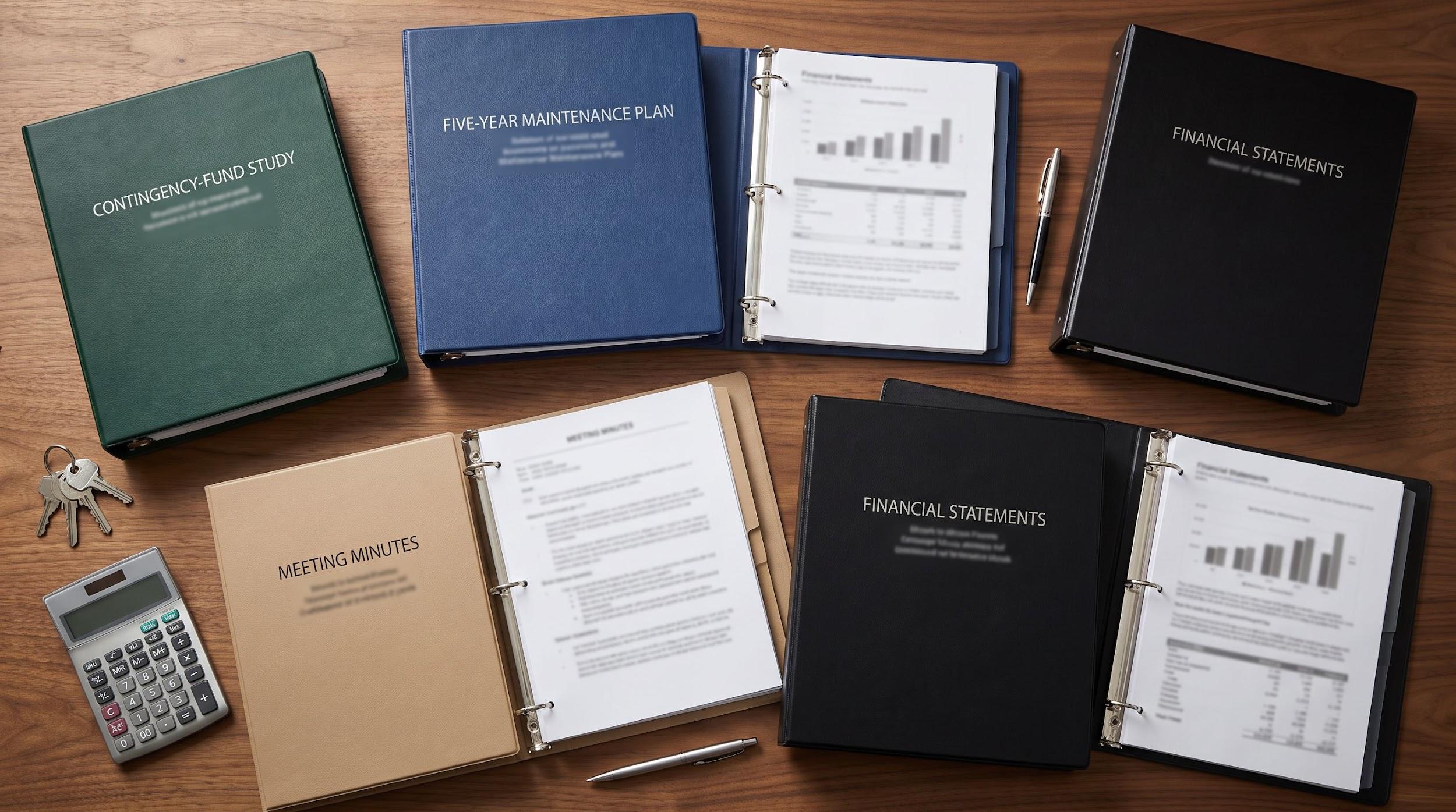
Reviewing the syndicate's health requires specific paperwork that every buyer must secure before the notary meeting. Can Quebec’s New Condo Documents Affect Your Mortgage Approval? Absolutely, and ignoring them is a recipe for rejection.
The declaration defines how the building operates. Banks look for clauses that might limit property value. Restrictions on long-term rentals or specific commercial uses can disqualify certain mortgage insurance products.
Verifying the legal structure is vital for financing. Is it a divided or undivided co-ownership? Each requires different down payment levels. The bank needs to know exactly what collateral they are holding.
Bylaws dictate your lifestyle. They also dictate the building's financial stability and long-term resale potential.
A healthy reserve fund prevents sudden fee spikes. Lenders compare the current balance against the study's recommendations. If the syndicate ignores its own funding plan, the bank sees a crisis.
Annual budgets show if the syndicate covers operating costs. Underfunding daily expenses is a sign of poor management. Banks prefer seeing a surplus rather than a break-even financial statement.
|
Document |
What Lenders Check |
Risk Level |
|
Contingency Fund Study |
Reserve balance |
High |
|
Annual Budget |
Deficit presence |
Medium |
|
Insurance Certificate |
Coverage limits |
High |
|
Meeting Minutes |
Lawsuits/Defects |
Critical |
Meeting minutes reveal the building's secrets. Lenders look for mentions of structural defects or ongoing lawsuits. If the syndicate is suing the developer, the bank might pause the loan.
The status certificate confirms your specific unit is clear. It proves the previous owner paid all fees. Banks demand this to ensure no hidden liens exist.
Reading two years of minutes is the only way to uncover planned expenses that haven't hit the budget yet.

Even with a perfect credit score, certain warning signs in the syndicate’s records will stop a deal cold.
Banks typically expect older buildings to have substantial reserves. A funding level below a certain threshold triggers an automatic fail. This indicates the owners are deferring essential structural maintenance.
Some syndicates refuse to increase monthly fees despite high inflation. This is a major red flag for lenders. It suggests a lack of political will to maintain the asset.
Financial neglect is contagious. One bad budget often leads to a cycle of building-wide decay.
Green Flags
Red Flags
Lenders require full replacement value coverage. If the insurance policy is outdated, the bank's collateral is at risk. A total loss would leave the mortgage unpaid.
High deductibles are another concern in Quebec. If the syndicate cannot afford a fifty-thousand-dollar deductible, the bank will decline. Lenders need proof the self-insurance fund is liquid.
Check the policy for specific exclusions like water damage. Missing coverage means the loan will not fund on closing day. Can Quebec’s New Condo Documents Affect Your Mortgage Approval? Absolutely.
Insurance is not optional. It is the bedrock of the lender's security in any high-density project.
Navigating the final steps requires proactive coordination between your broker, the syndicate, and your notary. Any oversight here can stall your funding at the finish line.
Pre-construction units have different audit needs. Banks focus on the developer’s reputation and the interim occupancy budget. You must ensure the projected fees are realistic and not artificially low.
Heritage buildings in Montreal face stricter scrutiny due to repair costs. Lenders look for specialized insurance and long-term masonry plans. The documentation must prove the syndicate is prepared for these risks.
Interim occupancy periods can be tricky for financing. You pay rent to the developer before the deed transfers. Banks need to see the final closing documents to release the funds.
Your notary is the final line of defense. They verify that the syndicate is legally registered and compliant with Bill 141. Any discrepancy between the offer and records stops everything.
Expert Closing Tip
Submit documents at least two weeks before closing; check for Bill 141 compliance and unpaid common expenses to avoid inheriting debt.
Submit your documents at least two weeks before closing. Rushing the syndicate for minutes often leads to errors. Lenders need time to review the final status certificate carefully.
The notary also checks for unpaid common expenses. You do not want to inherit the previous owner’s debt. Can Quebec’s New Condo Documents Affect Your Mortgage Approval? Absolutely, especially if insurance certificates are expired.
Law 16 and Bill 141 have transformed mortgage underwriting into a rigorous audit of condo financial health and insurance compliance. By prioritizing buildings with robust reserve funds and updated maintenance logs, you secure your investment and ensure a seamless financing process. Master your condo documentation today to guarantee your future home ownership.
New regulations like Law 16 and Bill 31 have significantly tightened the mortgage approval process. Lenders now perform a deep dive into the syndicate's financial health, requiring proof of a recent contingency fund study and a clear maintenance log to ensure the building is managed responsibly.
If a syndicate fails to comply with these transparency and stability requirements, banks may view the property as a high-risk asset. This can lead to delays, less favorable interest rates, or even a complete rejection of your loan application.
To secure final approval, you must provide the Declaration of Co-ownership, recent financial statements, and the contingency fund study. Lenders use these to verify the legal structure of the building and ensure there are sufficient funds to cover major repairs like roof or elevator replacements.
Additionally, you will need the status certificate and meeting minutes from the last two years. These documents reveal hidden risks, such as ongoing lawsuits, structural defects, or planned special assessments that could compromise your ability to repay the mortgage.
Yes, special assessments can directly impact your Gross Debt Service (GDS) and Total Debt Service (TDS) ratios. Lenders include 50% of annual condo fees in their calculations; if a building has a history of special assessments or sudden fee hikes due to an underfunded reserve, the bank may factor these projected costs into your monthly obligations.
Significant financial hits from one-time fees can push your ratios above the 32% to 44% thresholds allowed for insured mortgages. This makes it harder to qualify, as the bank must ensure you can survive these sudden expenses without defaulting on your loan.
The biggest red flag is a contingency fund that falls below recommended levels or fails to follow the mandatory five-year study. Lenders also look for "fee freezes" where the syndicate refuses to increase contributions despite inflation, which often signals future financial instability and building decay.
Other deal-breakers include inadequate insurance coverage, specifically a lack of full replacement value, or high deductibles that the syndicate cannot afford to pay. If the building's insurance policy is outdated or missing riders for water damage, the bank will likely decline the financing to protect their collateral.
The notary acts as a final safeguard by verifying that the syndicate is legally registered and compliant with Bill 141 and Law 16. They perform a title search to ensure no hidden liens exist and review the attestation of the syndicate to confirm there are no unpaid common expenses or active litigation involving the building.
By analyzing the declaration of co-ownership and financial records, the notary ensures the buyer understands their future obligations. They also manage the distribution of taxes and fees between parties, ensuring a clean transfer of title that meets all lender and provincial requirements.
Si vous avez souscrit un prêt hypothécaire, il est ju...
thumbnailPlanned URL: https://hypothequerapide.com/en/n...