What Do You Need for a Mortgage Pre-approval
What Do You Need for a Mortgage Pre-approval in Canada?...
July 23, 2026


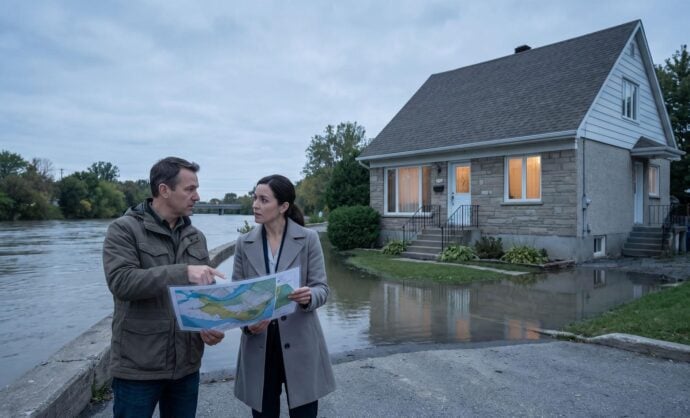
Buying a home in a flood zone can still make sense, but only if you understand what you are taking on. The key is not simply whether the property sits inside a mapped flood zone. You need to understand how severe the flooding could be, what it could damage, whether you can insure the risk, and whether the property will still work with your mortgage and monthly budget.
Flood damage can range from a wet basement to major structural damage or, in an extreme event, a home that is no longer economical to repair. Water can damage flooring, drywall, insulation, electrical systems, heating equipment, kitchens, furniture and personal belongings. Floodwater can also bring sewage or other contamination, create mold, erode soil around the property and weaken the foundation.
For a buyer, the most useful question is not just “Is this house in a flood zone?” It is: “If this property floods, how high could the water get and what would that actually damage?”
Find out what happened during previous floods. How high did the water reach on the property? Did it stay outside, enter the basement, or reach the main living area? Two homes in the same mapped zone can have very different real-world exposure.
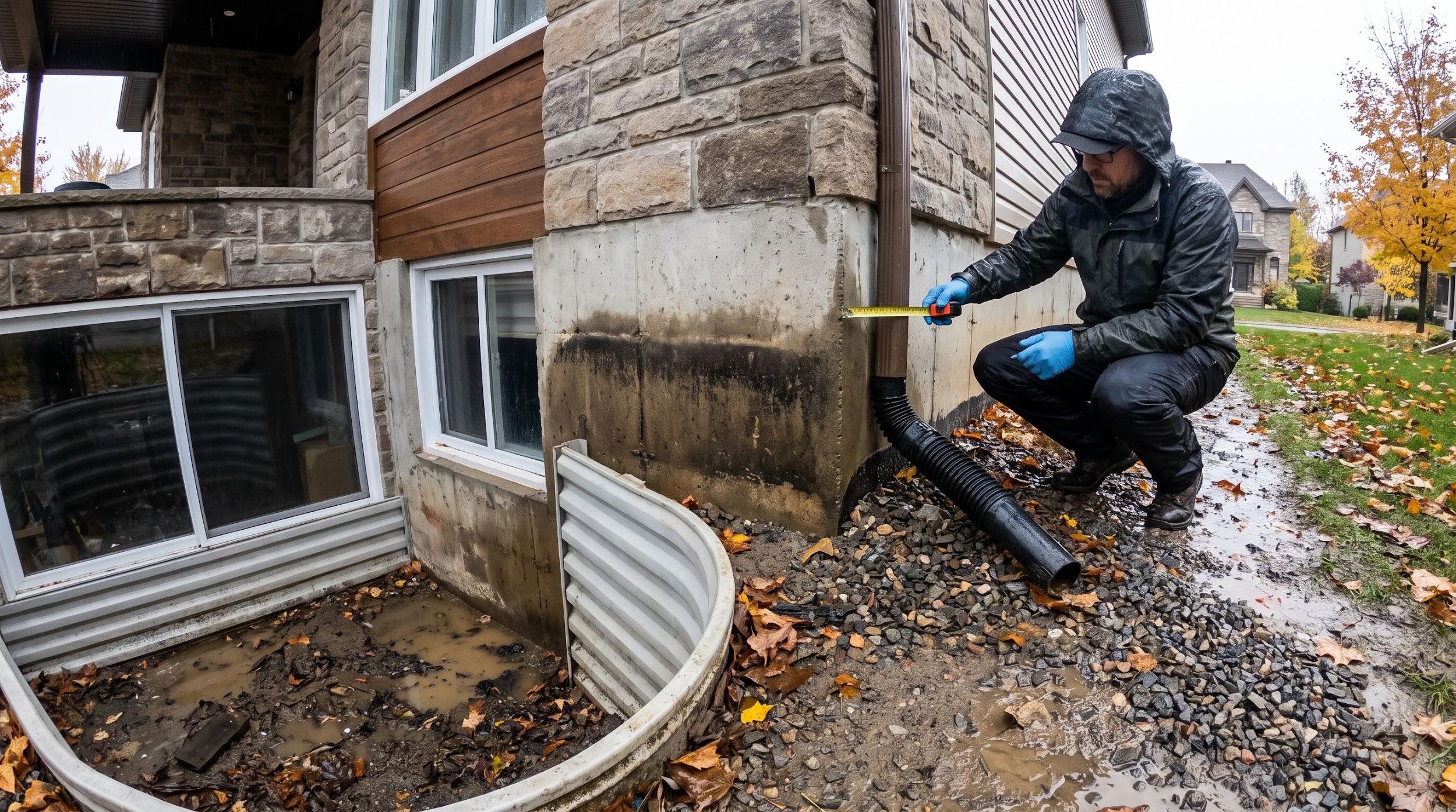
Look at both how often flooding could happen and how deep the water could become. A property that experiences shallow flooding regularly is a different risk from one exposed mainly to a rare but severe event. Review minor, major and extreme flood scenarios rather than relying on one label.
Compare expected water levels with the basement floor, windows, electrical panel, furnace, water heater and main living spaces. A few centimetres in an unfinished basement is very different from water reaching a finished basement or the ground floor.
Repeated or severe flooding can damage foundations, weaken building materials and wash away soil supporting the property. In severe cases, a house may become structurally unsafe. Even if it remains standing, the repair cost can become high enough that demolition or rebuilding is the practical option.
Estimate what a smaller flood, a major flood and a catastrophic flood could cost. Then ask whether you could handle the repairs, temporary relocation, lost belongings and any amount that insurance does not cover. That is the financial risk you are accepting when you buy the property.
Before committing to a flood-zone property, get an insurance quote for the exact address. Standard home insurance does not necessarily include overland flood protection, and insurers can price or limit the coverage based on their own assessment of the property.
For higher-risk properties, Insurely estimates flood coverage at roughly $800 to $2,000 per year. After a major flood claim, premiums may increase by around 40% to 60%. Flood-prevention measures such as a backwater valve, sump pump or other mitigation work may help reduce the risk and can sometimes qualify the property for discounts.
Do not look at the premium alone. Check the annual cost, deductible, maximum payout, exclusions, basement coverage, sewer-backup coverage and whether the insurer can reduce or refuse coverage after future claims. A low premium is not very useful if a major part of the potential loss remains uninsured.
The key number is your potential out-of-pocket loss. If a severe flood could cause $150,000 in damage but the policy only covers $100,000 with a $10,000 deductible, you are still accepting a large financial exposure.
A lower purchase price can be attractive, but compare the discount with the extra cost of insurance, deductibles, flood-prevention work, maintenance and potential uninsured damage. A home that is $30,000 cheaper may not be a bargain if the additional costs and risks can easily consume that saving.
On the other hand, a property with manageable flood exposure, good protection and a meaningful price discount can still be a reasonable purchase. The decision should be based on the total cost and risk, not the purchase price alone.

Flood risk affects your mortgage mainly through three things: whether the property can be properly insured, whether the lender is comfortable accepting it as collateral, and whether the total cost still fits your budget.
This is often the biggest issue. If flood coverage is unavailable, very limited or extremely expensive, financing can become harder because the lender also has money at risk in the property. Before making an offer unconditional, confirm that you can obtain the insurance required for the exact address.
Mortgage approval is not only about your income and credit. The lender also needs to be comfortable with the home securing the loan. A flood-prone property may require extra documentation, proof of insurance or an updated location certificate. If the lender believes the property carries too much risk or may be difficult to resell after major damage, financing may become more complicated.
Even when the mortgage is approved, flood risk changes the real cost of owning the home. Higher insurance premiums, deductibles, mitigation work and uninsured losses all sit on top of the mortgage payment. And if a flood badly damages the house, you still owe the mortgage while potentially also paying for repairs and temporary housing.
The key is to look beyond the mortgage payment itself. Make sure the property remains affordable after insurance and that you could handle the financial exposure if a serious flood happens.
Buying in or around Montreal means understanding more than the asking price. Flood history, insurance availability, financing and the condition of the property can all change whether a home is a good purchase.
Our Quebec real estate experts know the local areas and can help you evaluate the practical risks before you commit. If you are considering a property in a flood-prone area, we can help you ask the right questions, compare your options and find a home that fits both your budget and your risk tolerance.
Source for insurance estimates: https://insurely.ca/blog/home-insurance-in-high-flood-risk-area
What Do You Need for a Mortgage Pre-approval in Canada?...
Mortgage Broker vs. Bank: Which Is Better in Canada?A m...