Your mortgage is coming due?
At the end of your mortgage, do not accept the proposal...
March 4, 2019


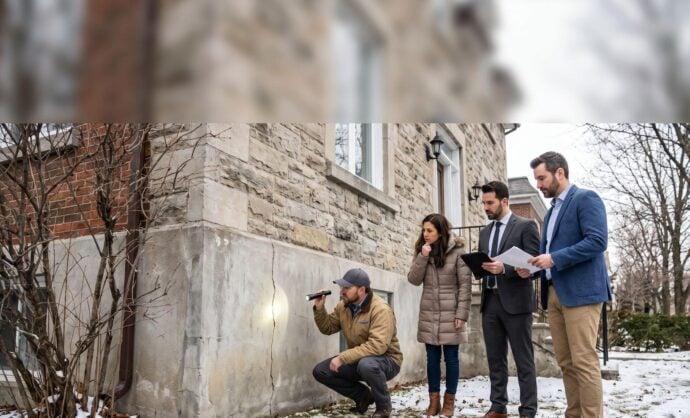
Is it possible to secure a mortgage for a home that explicitly waives your right to sue for hidden defects? While the Quebec Civil Code typically protects buyers, purchasing a property at your own risk means you shoulder every potential repair cost alone, a reality that often makes lenders extremely hesitant.
We will examine how banks evaluate these high-risk transactions and what specific steps you must take to satisfy their strict financing requirements.
Quebec’s Civil Code mandates a legal warranty protecting buyers against hidden defects and title issues. However, "as-is" sales waive these rights, shifting all financial risk for future repairs to the buyer, especially in estate liquidations.
Understanding these legal frameworks is vital before signing any deed of sale.
The Civil Code pillars rest on two guarantees. It includes the warranty of ownership and quality. These represent automatic rights for buyers.
Title protection confirms ownership. Quality protection ensures physical components work. One secures the deed, the other the structure.
This protection covers defects existing at sale. It typically lasts for several years, providing long-term security for homeowners.
Legal warranty remains the default. It applies unless the deed explicitly excludes it.
Legal Warranty Breakdown
Warranty of Quality: Protects against hidden defects.
Warranty of Ownership: Ensures valid title and no undeclared charges.
But when these rights vanish, the financial stakes change dramatically for the purchaser.
The "at the buyer’s risk" clause is a total waiver. The seller provides no guarantee. You accept all flaws, common in estate sales or repossessions.
Liability shifts to you. You lose the right to sue for hidden defects. You are responsible for all future structural repairs.
Purchasing without a legal warranty is a calculated gamble where the price drop must justify the potential for massive repair bills.
Will a Bank Finance a Quebec Property Sold Without Legal Warranty? It is possible, but lenders perceive higher risks and might demand larger down payments.
While the legal risks are clear, the immediate challenge often comes from your lender’s hesitation to fund an "as-is" property.
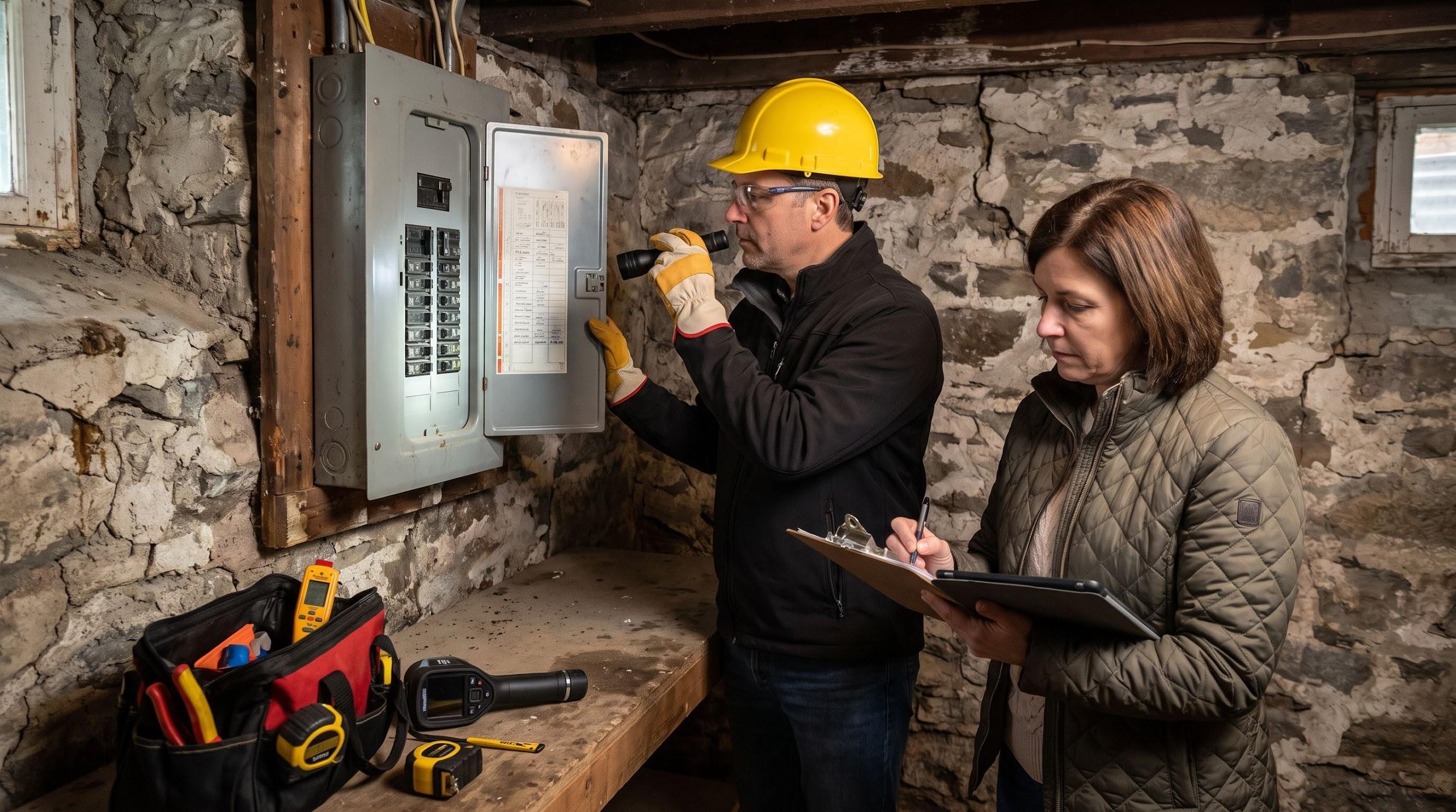
Lenders view the lack of warranty as a threat to their collateral. They fear major defects could compromise the home’s value. They need proof the house is actually standing.
Mandatory Requirements
The appraisal process is rigorous. Banks compare the price to other as-is sales. They must verify the property’s actual collateral value before lending.

Banks often reduce loan-to-value (LTV) ratios for these homes. Some might only lend 75% instead of 80%. This forces a larger down payment to protect against value drops.
80% LTV
Standard for traditional sales.
75% LTV
Common for risky as-is sales.
Riskier properties carry higher interest rates. Lenders view borrowers as vulnerable to financial shocks from repairs. In bidding wars, these hurdles make financing conditions harder to fulfill.
Navigating the bank’s requirements is just the start; you need a concrete plan to avoid buying a money pit.
Contrast standard inspections with deep-dives. In "as-is" sales, a basic visual check is not enough. You need to look behind the walls.
Suggest specialized tests like sewer cameras or thermographic imaging. These tools find problems that standard inspectors often miss.
Estimate the costs. Expect to pay $800 to $1,500. This is cheap compared to a foundation failure.
|
Red Flag |
Potential Issue |
Recommended Action |
|---|---|---|
|
Water in basement |
Foundation cracks |
Expert audit |
|
Roof > 20 years |
Imminent leaks |
Get a quote |
|
DIY electrical |
Fire hazard |
Request audit |
|
Insects |
Wood damage |
Pest check |
Explain the duty of transparency. Even without a warranty, the seller must disclose known issues. Lying is a serious legal mistake.
Cross-reference findings. Compare the declaration with the inspector’s report. Look for discrepancies that suggest hidden problems or neglect.
Use the inspection report as a lever. If the roof is old, subtract the replacement cost. Remind the seller that you are taking on significant risk.
"A fair price for an as-is home is the market value minus a risk premium of at least ten percent."
Will a Bank Finance a Quebec Property Sold Without Legal Warranty? Yes, if the price reflects these vulnerabilities.
Even if you sign away your rights, the law doesn’t give sellers a free pass to commit fraud.
Bad faith, or dol, occurs when a seller lies or hides a known defect. In these cases, the exclusion clause becomes void. You can sue for damages or a price reduction.
Proving this requires showing the seller knew about the issue. This often involves gathering testimony from neighbors or finding past repair invoices. Evidence is the only way to win here.
Consult a real estate lawyer. They will evaluate if your case is strong enough for court.
The "chain of warranty" connects owners through time. When you buy without a warranty, you cannot sue previous owners. The chain is broken forever, making the property less attractive to future buyers.
Resale Risks
The notary documents this break. It stays in the property’s history permanently.
Critical Legal Warning
Buying without warranty breaks the chain forever; you cannot sue previous owners, and it permanently impacts future resale value.
Securing a loan for an "as-is" property requires balancing lender risk with rigorous due diligence. By prioritizing deep-dive inspections and negotiating price offsets, you safeguard your investment against hidden defects. Master these financing hurdles now to transform a high-risk purchase into a secure, long-term asset.
Yes, it is entirely possible to obtain financing, though the process can be more complex than a standard sale. Banks view "as-is" properties as carrying a higher level of risk, as the buyer waives their right to sue for hidden defects. Consequently, lenders will focus heavily on the property’s overall condition and your financial stability to ensure their collateral is protected.
While many institutions will proceed with the loan, they may impose stricter conditions. This can include requiring a more detailed appraisal, a higher down payment (lower loan-to-value ratio), or even a slightly higher interest rate to offset the potential for future financial shocks caused by major repairs.
In the Quebec real estate market, purchasing a property "without legal warranty, at the buyer’s risk" is a significant legal commitment. It means the seller is excluding the warranty of quality mandated by the Civil Code, which normally protects you against defects that were not apparent at the time of sale. By accepting this clause, you assume full financial responsibility for any issues discovered after the transaction, such as foundation cracks or mold.
However, this exclusion does not give the seller a license to lie. They are still legally obligated to act in good faith and disclose any known defects in the Seller’s Declaration. If a seller intentionally conceals a major problem, the exclusion clause may be voided, allowing you to seek legal recourse for fraud or "dol."
When you waive your legal warranty, a professional home inspection becomes your primary line of defense. Since you cannot hold the seller liable for hidden defects later, you must identify every possible issue before signing at the notary. A thorough inspection evaluates the structure, roofing, plumbing, and electrical systems to ensure you aren’t buying a "money pit."
For these types of transactions, it is often wise to go beyond a basic visual check. Lenders may even insist on specialized tests, such as sewer cameras or thermographic imaging, to confirm the home’s integrity. The findings in the inspection report provide the necessary leverage to negotiate a price reduction that accounts for the increased risk you are assuming.
Buying without a warranty creates a "break in the chain" of protection. When you eventually decide to sell the property, you will likely have to sell it without a warranty as well, as you cannot pass on rights that you do not possess. This permanent mark in the property’s history can make it less attractive to future buyers who prioritize legal security.
Properties sold without warranty often command a lower market price, sometimes referred to as a "risk premium." You should expect the home to stay on the market longer and potentially face more scrutiny from future buyers’ lenders, who will be just as cautious as yours were during the initial purchase.
If you have a mortgage, it's a good idea to renew it at...